
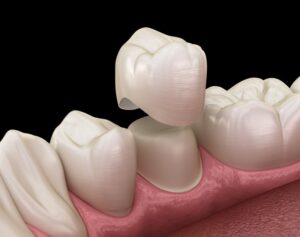
When it comes to repairing a damaged or decayed tooth, two of the most common treatment options are fillings and crowns. Both serve to restore the function and appearance of your teeth, but they’re not interchangeable. Understanding when your little one needs a filling versus a crown can help you make informed decisions about their dental health and avoid more serious problems down the road. Here’s a breakdown of the differences between fillings and crowns, and how to know which option is right for your kid’s situation.
What is a Dental Filling?
A filling is used to repair a small area of tooth decay or minor damage. After removing the decayed portion of the tooth, your dentist fills the space with a material like composite resin, amalgam, or ceramic to restore its shape and function.
When Fillings Are Appropriate
- Small to moderate cavities: If the decay hasn’t spread too deeply or widely, a filling is usually the go-to treatment.
- Minor chips or cracks: A small fracture in a tooth can sometimes be repaired with a composite filling.
- Low bite pressure areas: If the tooth isn’t subject to heavy chewing forces (like front teeth), a filling can often do the job.
Fillings are quick, minimally invasive, and cost-effective. However, they have limits. If the damage is too extensive, a filling won’t provide the support your tooth needs.
What is a Dental Crown?
A crown covers the entire visible portion of a tooth. It’s typically made from porcelain, metal, or a combination of materials. Crowns are used when a tooth is too weak or damaged to be restored with a filling alone.
When Crowns Are Necessary
- Large cavities: If more than half of your tooth’s structure is compromised, a filling won’t hold up – crowns are more durable.
- After root canal therapy: Teeth that have undergone a root canal are brittle and prone to cracking, so a crown is often needed for protection.
- Severe cracks or fractures: A crown helps hold the tooth together and prevents further damage.
- Worn-down teeth: Teeth that are severely worn from grinding or erosion benefit from full coverage and reinforcement.
- Cosmetic reasons: Crowns can also be used to improve the shape, alignment, or color of a tooth when other cosmetic procedures aren’t enough.
Crowns take more time to complete – usually requiring two visits – and are more expensive than fillings, but they provide long-term strength and protection.
How Does Your Dentist Decide?
Your dentist will evaluate several factors, including:
- The size and location of the cavity or damage.
- The health of the surrounding tooth structure.
- Whether the tooth has had previous restorations.
- Your bite and chewing habits.
In some borderline cases, your dentist might recommend a crown even if a large filling is technically possible as long-term durability and tooth strength are key considerations.
Choosing between a filling and a crown isn’t just about fixing a problem; it’s about preserving your tooth for years to come. Fillings are ideal for smaller issues, while crowns provide protection and longevity for more serious damage. When in doubt, talk to your dentist. They’ll guide you toward the best option based on your specific needs, helping you keep your smile strong and healthy.
About the Practice
If you’re looking for a practice to outfit your little tyke with crowns, look no further! Newpark Mall Family Dental Group uses life-like materials to give them the most natural look. We also work with many insurance plans to help ease the financial burden of dental work. Ready to repair your child’s smile with a group of experts? Schedule your appointment online or call our Newark office at (510) 796-8888.